
A Comprehensive Guide to Develop Your AI Business Model
I remember when I first started exploring how to develop an AI business model. It felt overwhelming but breaking it down into manageable steps changed everything. In this guide, I’ll walk you through exactly how to build a sustainable, profitable AI-driven business from scratch. Whether you’re looking to create a simple online income or scale an existing venture, using AI tools and step-by-step systems can streamline your path to success. Let’s dive in and transform your ideas into a reality.

Understanding AI Business Models
Before you can develop your AI business model, it’s crucial to understand what AI business models actually are. At their core, these models leverage artificial intelligence to create, deliver, and capture value in innovative ways. Unlike traditional businesses, AI-driven models often focus on automation, data analysis, and personalized user experiences. For example, subscription services that use AI to recommend content or products are a common model. Another popular approach is offering AI-as-a-service, where businesses provide access to machine learning tools via APIs.
One key aspect is the ability to scale quickly with minimal incremental cost. Once you build an AI model, it can serve thousands of users without significant additional expenses. This scalability is what makes AI business models so attractive for entrepreneurs. I’ve seen many succeed by focusing on niches where AI can solve specific problems efficiently. It’s not just about technology; it’s about designing a business that thrives on intelligence and automation.
Remember, the goal is to choose a model that fits your skills and market needs, ensuring long-term growth and adaptability.
Identifying Your Target Audience and Niche
Identifying your target audience is the foundation of any successful business, and it’s especially critical when you develop an AI business model. Start by asking who will benefit most from your AI solution. Are they small business owners looking for marketing automation? Or perhaps content creators needing better tools for engagement? Narrowing down your niche helps you tailor your offerings and messaging effectively.
I suggest conducting market research to validate your ideas. Use surveys, social media polls, or even AI tools like sentiment analysis to gauge interest. For instance, if you’re building an AI model for e-commerce, focus on retailers struggling with inventory management. By solving a specific pain point, you position yourself as an expert and attract loyal customers. It’s all about finding that sweet spot where demand meets your capabilities.
Another strategy is to analyse competitors and identify gaps they’ve overlooked. Maybe there’s an underserved segment in the education sector that could use AI-powered tutoring systems. The key is to be precise; a well-defined audience makes marketing easier and increases conversion rates. Don’t try to appeal to everyone—focus on those who will truly value what you offer.
Choosing the Right AI Tools and Resources
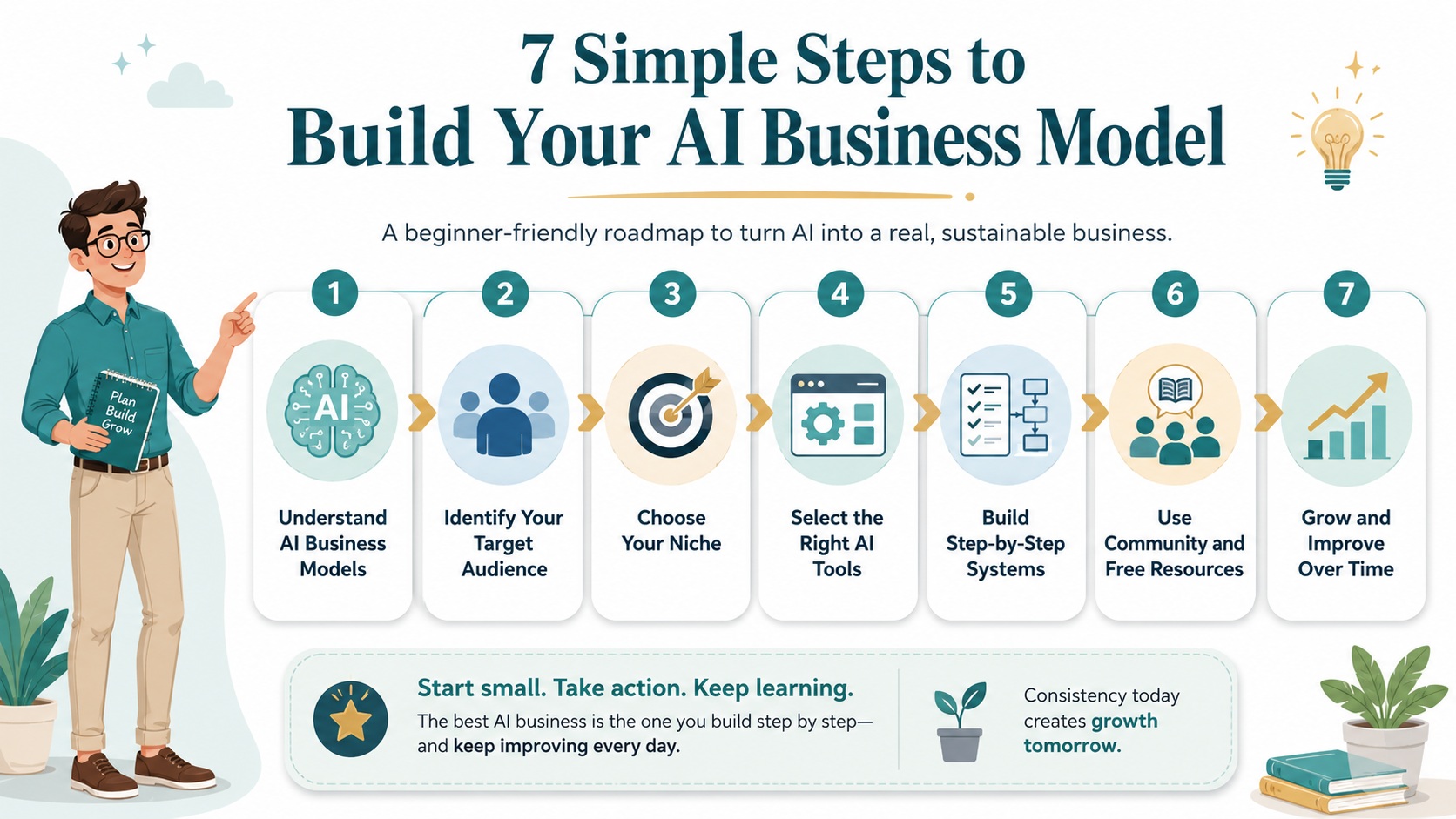
Selecting the right AI tools is a gamechanger when you build AI model-based businesses. The market is flooded with options, from open-source libraries to premium platforms. Your choice depends on your technical expertise, budget, and specific use case. For beginners, I often recommend starting with user-friendly tools like TensorFlow or Google’s AutoML, which simplify machine learning without deep coding knowledge.
If you’re focusing on content creation, tools like GPT-based APIs can generate text, while image generation models like DALL-E offer visual content solutions. It’s important to evaluate each tool’s scalability, support, and integration capabilities. For example, if you’re developing a chatbot, Dialogflow or Microsoft Bot Framework might be ideal. Always consider the long-term costs and learning curve to avoid bottlenecks down the road.
I also encourage leveraging cloud services such as AWS AI services or Azure Machine Learning for robust infrastructure. These platforms provide pre-built models and scalable computing power, reducing development time. Remember, the right tools not only enhance efficiency but also empower you to innovate faster.
Implementing Step-by-Step Systems for Success
Implementing step-by-step systems is essential to turn your vision into a functioning AI business model. Start by outlining a clear roadmap: ideation, development, testing, and launch. Break each phase into actionable tasks with deadlines. For instance, if you’re creating an AI-powered app, begin with prototyping using tools like Figma, then move to coding and beta testing with a small user group.
Automation plays a big role here. Use project management software like Trello or Asana to track progress and ensure nothing falls through the cracks. I’ve seen many entrepreneurs succeed by adopting agile methodologies, iterating quickly based on feedback. It’s also wise to document every step, creating standard operating procedures (SOPs) that make scaling smoother. This approach minimizes errors and keeps your team aligned.
Don’t forget to incorporate metrics and KPIs to measure success. Tools like Google Analytics or custom dashboards can track user engagement and system performance. By having a structured system, you reduce risks and increase the likelihood of achieving your goals efficiently. Consistency in execution is what separates thriving businesses from those that struggle.
Leveraging AI-Powered Toolkit for Efficiency
Leveraging an AI-powered toolkit can drastically improve efficiency across your business operations. From marketing to customer service, AI tools automate repetitive tasks, freeing up time for strategic work. For example, email marketing platforms like Mailchimp use AI to optimize send times and personalize content, boosting open rates and conversions.
In content creation, tools like Jarvis or Copy.ai help generate high-quality text quickly, ideal for blogs or social media posts. For data analysis, platforms like Tableau integrate AI to uncover insights from complex datasets. I’ve personally used these to identify trends and make data-driven decisions faster. The key is to integrate these tools into your daily workflows, creating a seamless ecosystem that enhances productivity.
Another area is customer support; AI chatbots can handle inquiries 24/7, improving response times and satisfaction. Services like Zendesk or Intercom offer easy integrations. By building a toolkit tailored to your needs, you not only save resources but also deliver better experiences to your audience. It’s about working smarter, not harder, and AI makes that possible.
Get our FREE resource – The AI Powered Online Business Toolkit
Joining The Opportunity Lab Community for Support
Joining a community like The Opportunity Lab can provide invaluable support as you develop your AI business model. Communities offer networking opportunities, mentorship, and shared resources that accelerate learning. I’ve found that connecting with like-minded entrepreneurs helps overcome challenges and sparks new ideas. Whether it’s through forums, webinars, or co-working sessions, being part of a group fosters collaboration and motivation.
Many communities also host events focused on AI trends and best practices, keeping you updated on industry developments. For instance, The Opportunity Lab often features experts discussing how to build AI model strategies effectively. Engaging with peers allows you to exchange feedback, find partners, or even attract early users for your projects. It’s a safe space to ask questions and gain insights from those who’ve been there before.
If you’re looking for a starting point, The Opportunity Lab’s AI community page is a great place to explore memberships and events. Remember, growth often happens faster when you’re not alone—community support can be the catalyst for your success.
Exploring Free Resources for Additional Learning
Exploring free resources is a fantastic way to deepen your knowledge without breaking the bank. There are countless online courses, tutorials, and articles that cover AI business models in detail. Platforms like Coursera and edX offer courses from top universities on machine learning and entrepreneurship. I often recommend starting with introductory classes to build a strong foundation before diving into advanced topics.
Blogs and podcasts are also excellent for staying informed. Follow industry leaders on LinkedIn or subscribe to newsletters like MIT Technology Review for the latest updates. Additionally, open-source communities on GitHub provide code samples and projects you can learn from and even contribute to. Hands-on practice with real datasets hones your skills and builds confidence.
For a curated list of learning materials, Kaggle’s learning paths are incredibly useful for practical AI applications. By dedicating time to continuous learning, you ensure your business stays competitive and innovative. Knowledge is power, and in the fast-evolving AI space, it’s essential to keep growing.
Growing Your AI Business Model for Long-Term Success
Growing your AI business model requires a focus on scalability, innovation, and customer retention. Start by analysing your data to identify growth opportunities—maybe it’s expanding into new markets or adding features based on user feedback. I’ve seen businesses thrive by continuously iterating their offerings, ensuring they remain relevant and valuable.
Invest in marketing strategies that leverage AI itself, such as personalized ad campaigns or SEO optimization using tools like MarketMuse. Building a strong brand presence attracts more users and establishes trust. Additionally, consider partnerships or integrations with other platforms to widen your reach. For example, if you have an AI tool, integrating it with popular software like Shopify can open new revenue streams.
Finally, prioritize customer success by providing excellent support and gathering testimonials. Happy customers become advocates, driving organic growth. By fostering a culture of innovation and adaptability, you ensure your AI business model not only survives but thrives in the long run. The journey is ongoing, but with the right strategies, the potential is limitless.
Developing an AI business model is an exciting journey that blends technology with entrepreneurship. By understanding different models, identifying your niche, choosing the right tools, and implementing systematic approaches, you can build a sustainable online income. Leveraging communities and free resources accelerates your learning, while a focus on growth ensures long-term success. Start small, stay consistent, and watch your AI-driven business flourish. Remember, the future belongs to those who innovate so take that first step today.
Also recently launched – The Smart Content System
To see the full system:
 Read:
Read:
Systeme.io Review: All-in-One Business Platform
How to Start and Grow an Online Business Using AI
A Comprehensive Guide to Implementing AI-Powered Online Business Models
5 Easy AI Business Models for New Entrepreneurs
AI business models for beginners – An Implementation Guide
Top 10 Innovative AI Business Ideas to Kickstart Today
📅 Last updated:
